
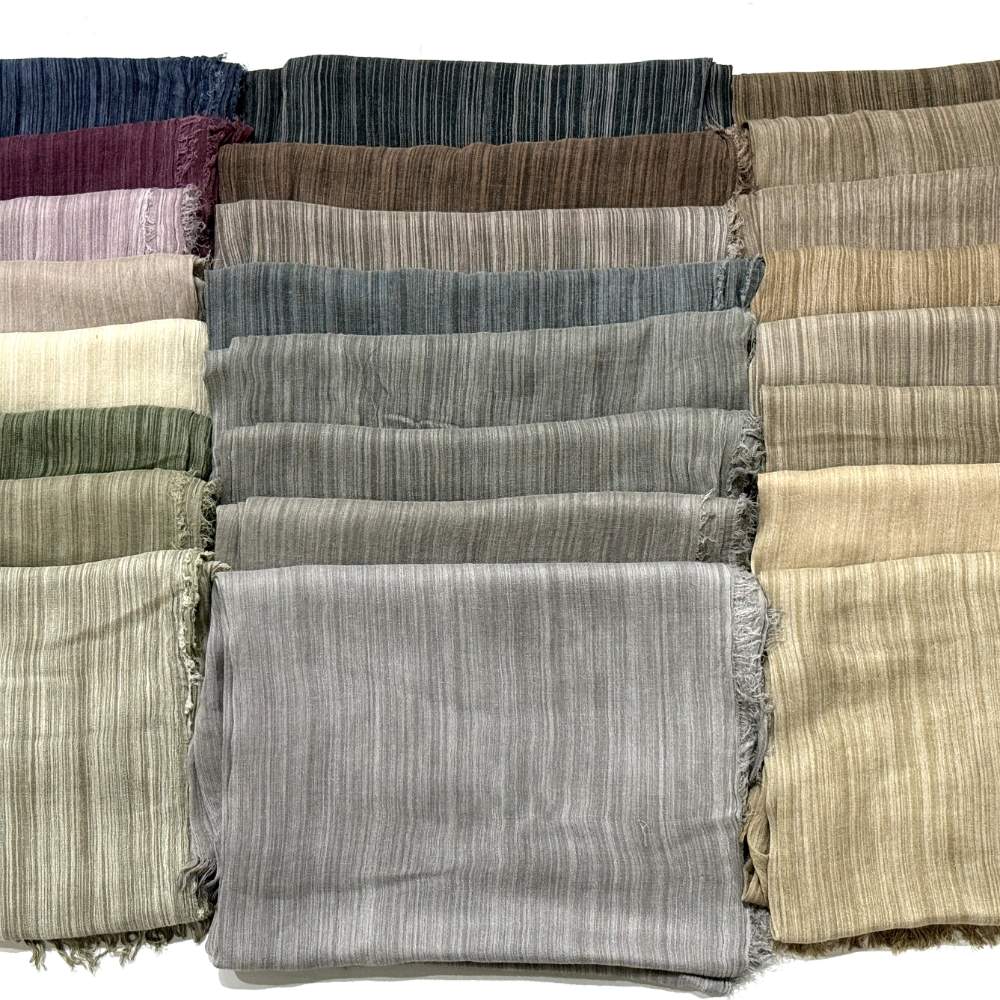
Dirty Dye Scarf Samples: Agree a Shade Range
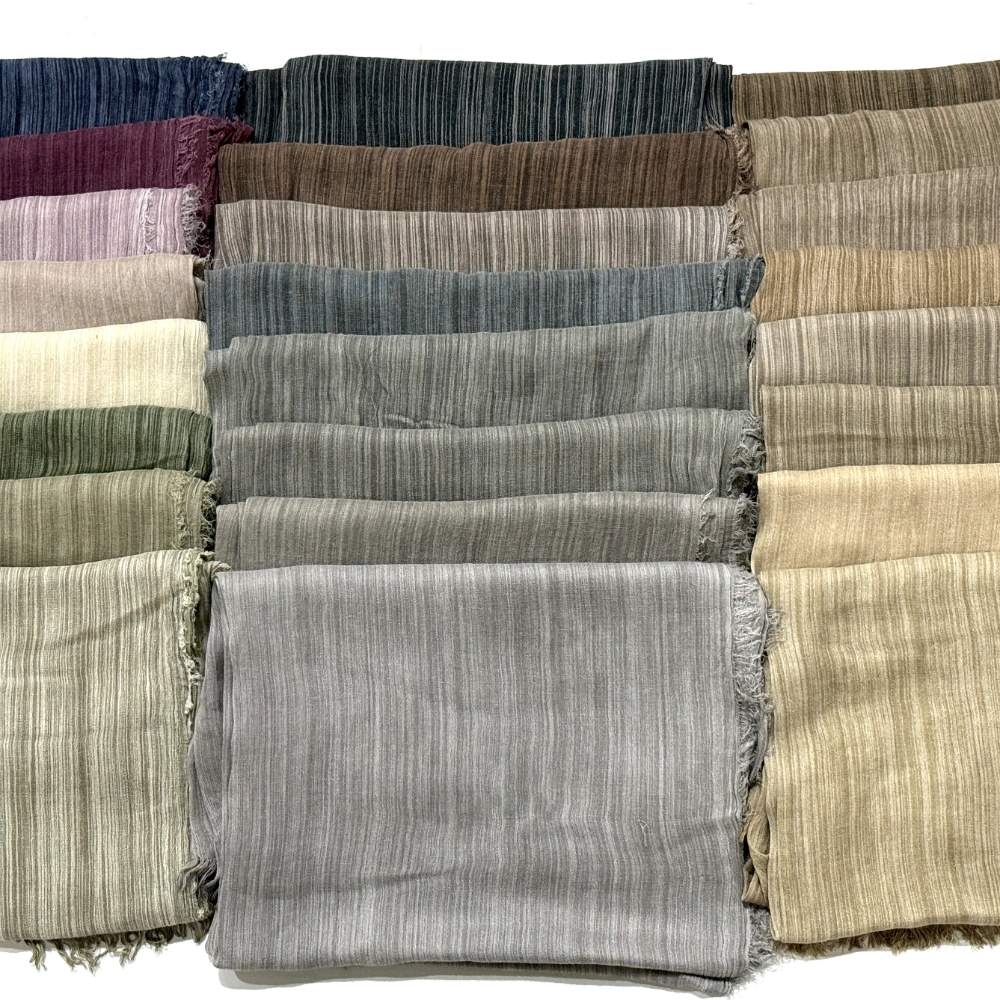
Approve a dirty dye scarf by connecting its colour reference to a physical sample and an agreed appearance range. Compare the selected fabric and finish under consistent conditions, then retain the accepted examples with their identifiers. Treat the photograph as a sourcing reference, because screen colour and folded presentation cannot define every acceptable variation in the finished article.
A colour name can describe several different visual results when fabric texture, folds and a mottled finish are involved. Buyers sourcing wholesale solid dirty-dye scarfs need a repeatable sample decision rather than a promise that every piece will look like a single screen image. The approval record should explain what was compared and accepted.
Connect the colour to a specific scarf reference
Start from the Wenyu P-233 dirty dye scarf and identify the proposed colour and article together. Keep the supplier colour identifier beside the product reference. A familiar shade name should not become permission to substitute another construction or finish without a separate review of the actual proposed sample.
The P-193 dirty dye listing provides another visible fabric reference. Its catalogue name identifies an offer; it is not independent evidence of a complete composition specification or a performance grade. If both references are considered, review each sample separately before deciding whether they belong in the same assortment.
- Article and colour identifiers
- Physical finish reference
- Agreed comparison condition
- Retained accepted appearance examples
Ask what the finish reference is intended to show
Separate the underlying colour from the visible texture and finish effect. Ask the supplier to identify the sample used as the appearance reference and to explain which differences the buyer should review. Do not invent a numerical shade allowance or describe every visible irregularity as either a defect or an intended feature without agreement.
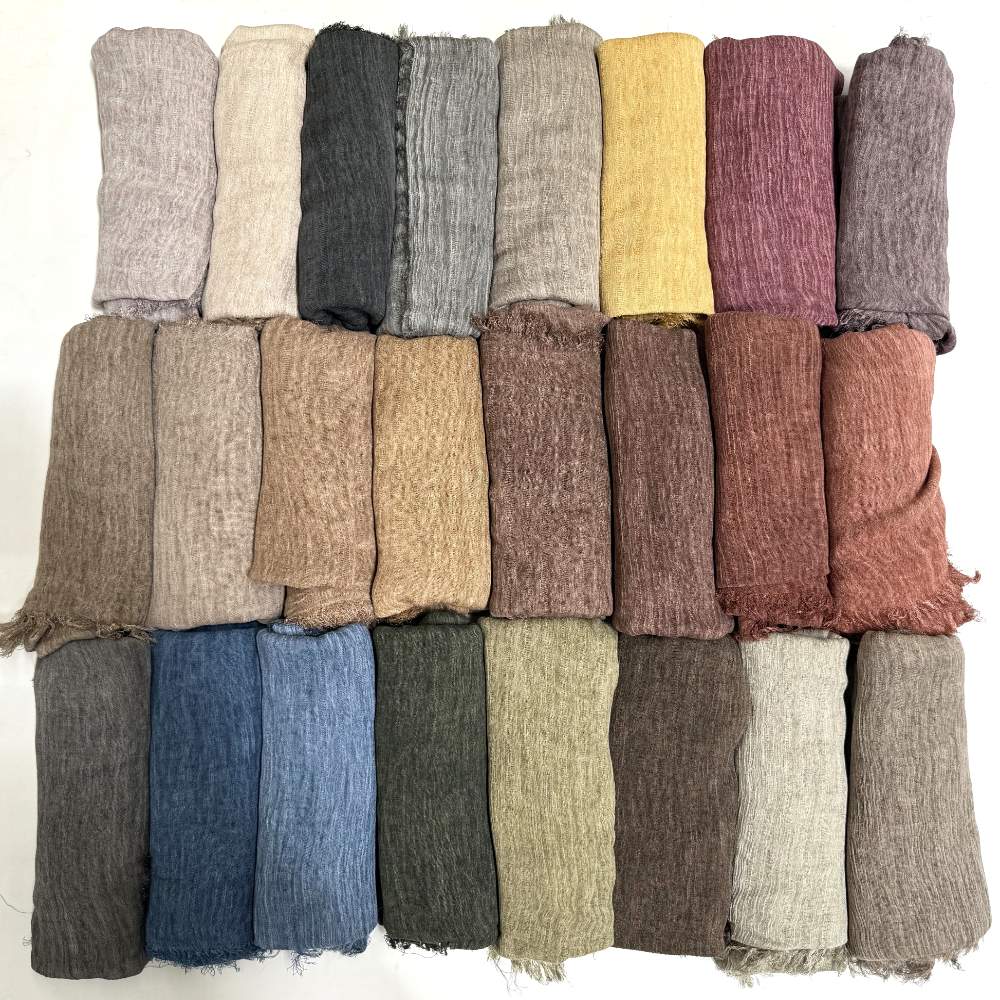
Request views that show the scarf beyond one folded corner when the distribution of the effect matters. Keep the selected sample identifier visible in the discussion. Several catalogue colourways can illustrate the range of an offer, but they do not automatically establish the range accepted for one specific order colour.
| Approval object | Evidence to request | Record separately |
|---|---|---|
| Named colour | Identified physical sample | Screen photograph |
| Finish appearance | Representative agreed examples | Unreviewed variation |
| Order assortment | Article and colour quantity lines | Catalogue colour display |
Compare samples under a consistent condition
Agree a practical comparison condition with the supplier, including how the samples are presented and which reference they are compared against. View the same part of each unfolded article where possible. Record the condition used rather than relying on two phone photographs taken in different surroundings to make the final decision.
Keep display and camera differences separate from the sample decision. Screen images are useful for selecting candidates and communicating questions, but they cannot alone settle every shade judgement. If the result is uncertain, retain the question for physical comparison instead of silently accepting the closest-looking image from the catalogue.
Retain the accepted appearance range
Where a range of appearance is acceptable, ask for representative examples that make its limits understandable. Identify each example and record what it demonstrates. A retained range should describe the buyer decision, rather than becoming an unsupported claim that the supplier has already achieved a particular production consistency.
Record any sample that remains outside the accepted discussion separately so it is not later mistaken for another approved option. Attach the appearance decision to the selected fabric, finish and colour reference. If one of those changes, ask whether the existing examples still apply before reusing the earlier approval.
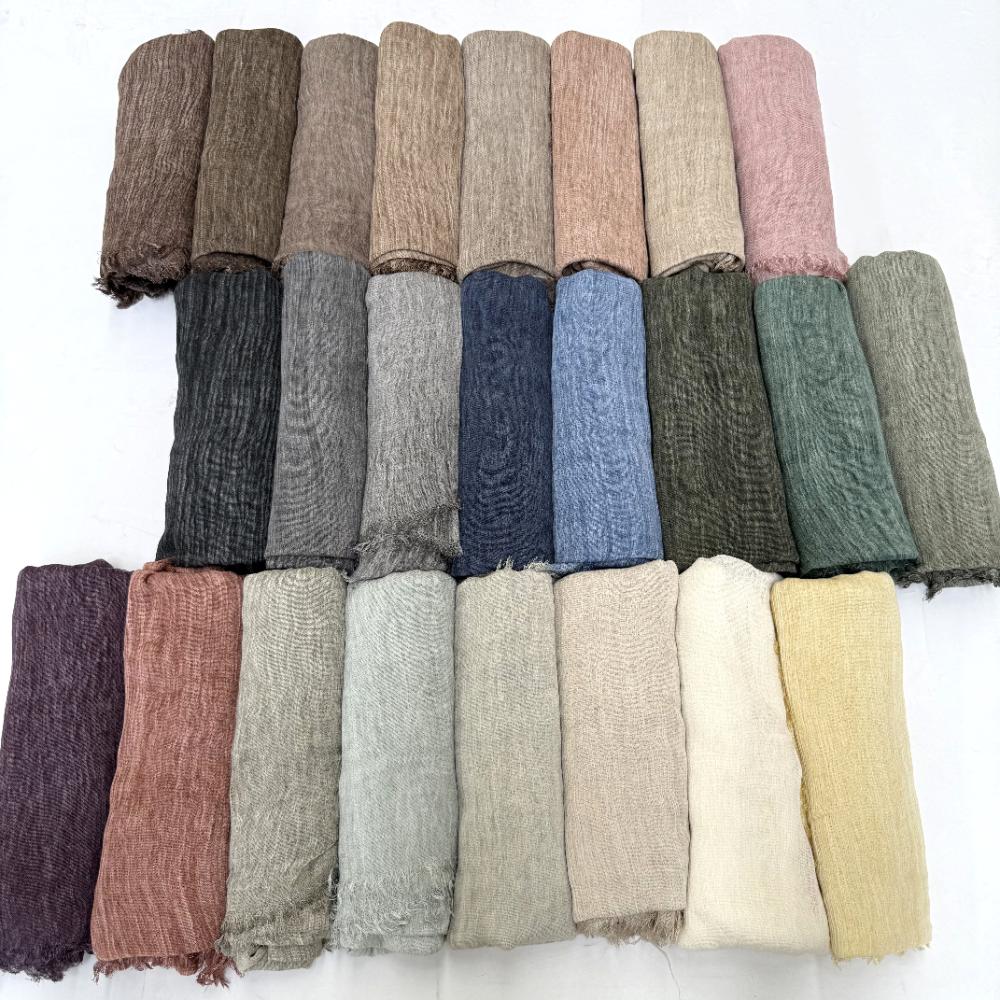
Keep the assortment and repeat-order record connected
List the accepted article and colour references in the assortment sheet, with the corresponding physical sample or retained example identifiers. Keep quantities in separately named fields. A photo showing many colourways should not be interpreted as an agreed assortment or as evidence that every pictured colour is included in the quotation.
For a repeat order, send the retained reference and ask the supplier to confirm the current proposal against it. Appearance approval remains separate from colourfastness, shrinkage and other test requirements. Request evidence for those needs explicitly rather than treating a shade-range sample review as proof of all fabric performance.
Frequently Asked Questions
Is a colour name enough for sample approval?
Connect it to the selected article and an identified physical reference. The same name can be used in different contexts, while the buyer needs a clear record of the appearance actually reviewed.
Does dirty dye mean every variation is acceptable?
No. Ask what the selected finish reference is intended to show and agree the acceptable appearance. Do not classify all variation as either approved or defective without that discussion.
Can a screen image settle the final shade?
Use it to select candidates and raise questions. Consistent physical comparison and retained references provide a clearer basis when a screen or camera difference leaves the appearance uncertain.
Does a shade approval prove colourfastness?
It records appearance acceptance, not an unperformed test. Keep colourfastness, shrinkage and other performance requirements separate and request the relevant evidence where the buyer needs it.
Explore the Wenyu scarf references and buyer blog while building the assortment. Send the article, colour identifiers and sample comparison questions through Wenyu contact before approving the appearance range.