
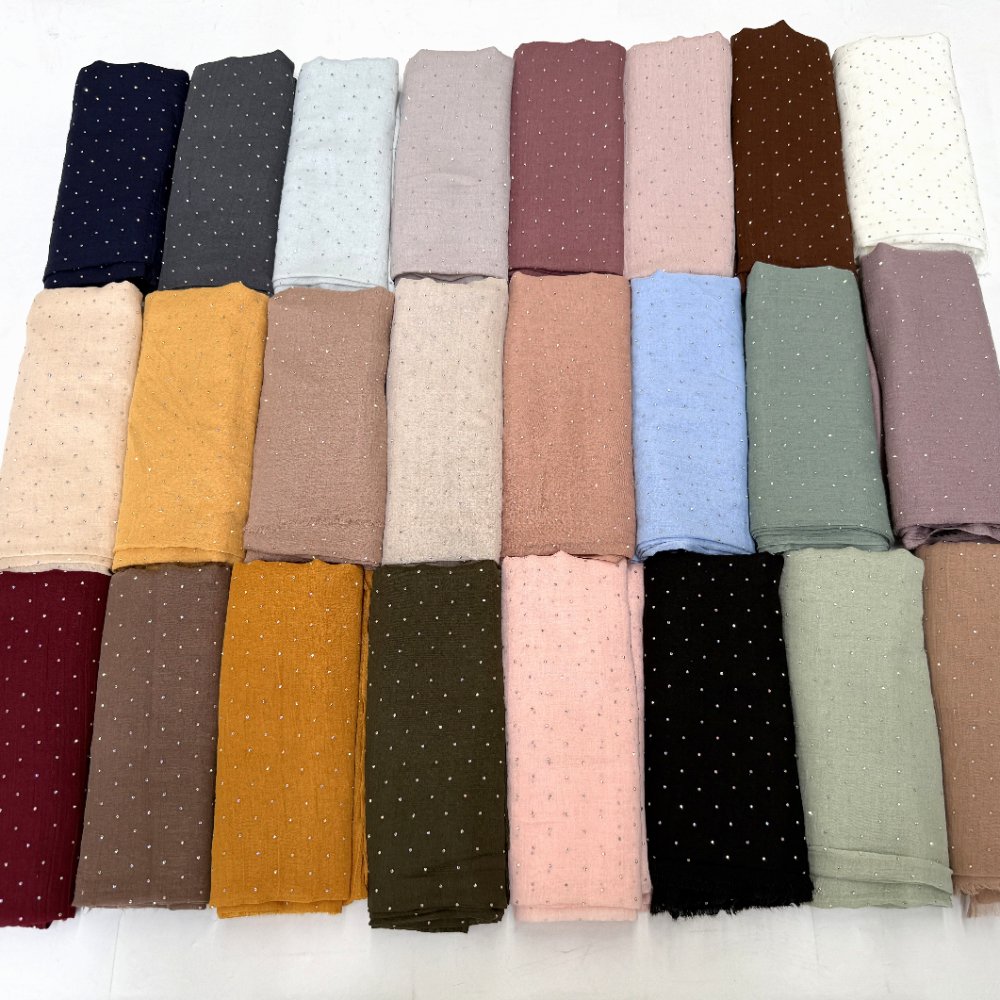
Decorated Scarf RFQs: Separate Surface Processes
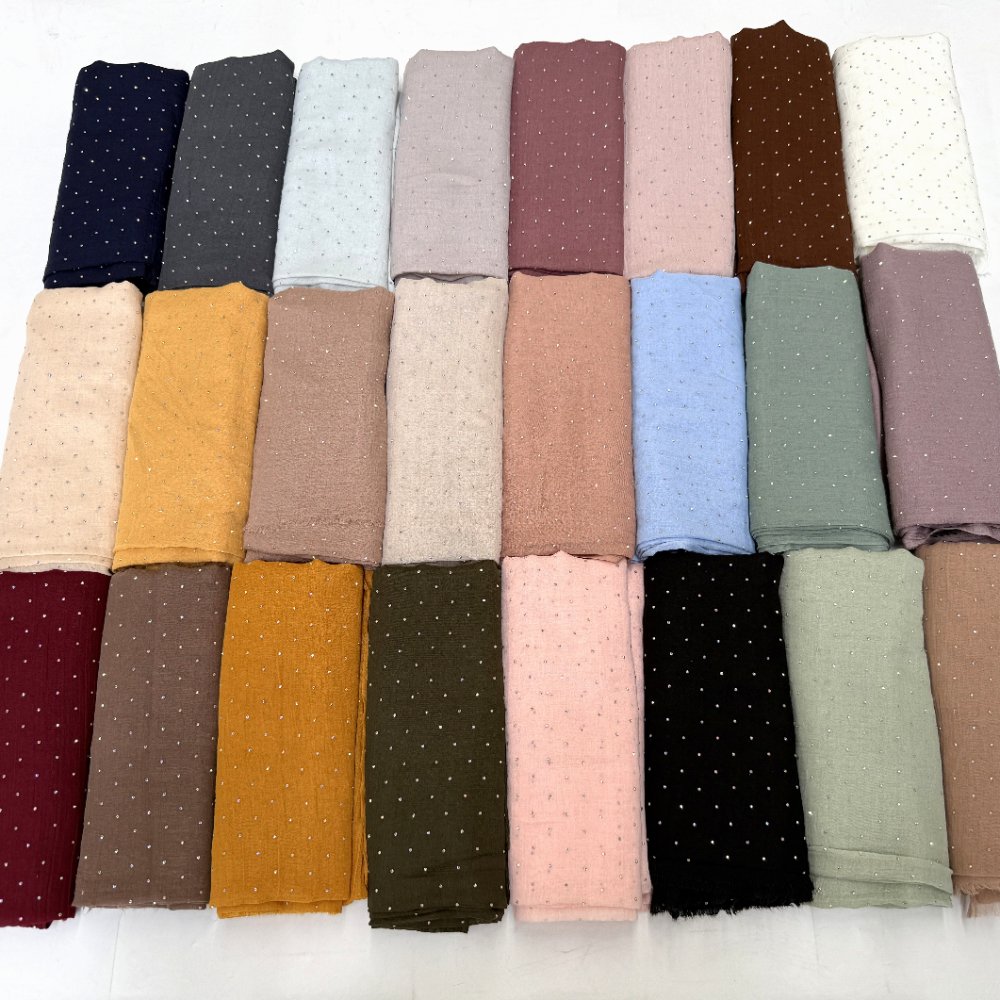
Build a decorated scarf RFQ around the selected base scarf and a separately identified decoration reference. State whether the request concerns rhinestones, embroidery or a plain surface, then mark the intended face and placement. Ask the supplier to confirm each field against a sample instead of treating similar catalogue colours as proof of an identical process.
A buyer can like the appearance of a scarf yet leave the quotation scope unclear. Small reflective details, stitched motifs and a plain woven surface describe different requests. For a bulk order RFQ for solid colour with hot-fix rhinestones, the useful starting point is a clear division between the base article and its decoration.
Name the process shown by the selected offer
Wenyu lists a BL-232 scarf with hot fix rhinestones as a specific decorated reference. Use that listing to identify the offer and ask the supplier to confirm the proposed decoration process. A photograph helps communicate appearance, but it does not independently document attachment conditions or the production method used for a new order.
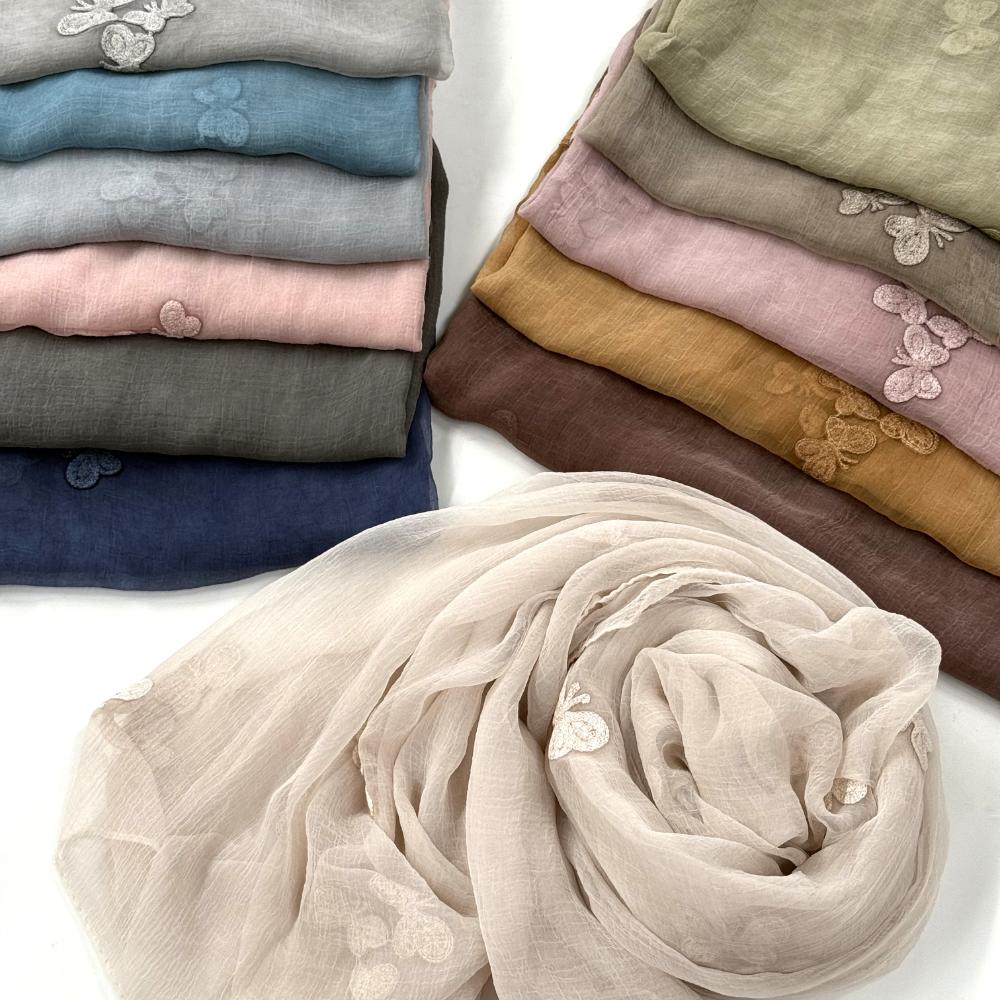
The catalogue also includes K-846 embroidered scarves. These provide a useful process comparison, rather than a substitute for the rhinestone reference. If the buyer is comparing both options, request separate quotations with their respective sample and decoration identifiers so the supplier does not merge them into one generic embellished item.
- Base scarf reference and colour
- Named decoration process
- Marked visible face and placement
- Sample identity and open evidence requests
Keep the base scarf specification visible
Identify the fabric reference, intended colour and selected scarf construction before adding the decoration request. Where composition or another material attribute matters, ask for the relevant declaration and evidence. Do not infer a complete blend specification, verified grade or test result simply from a short product name.
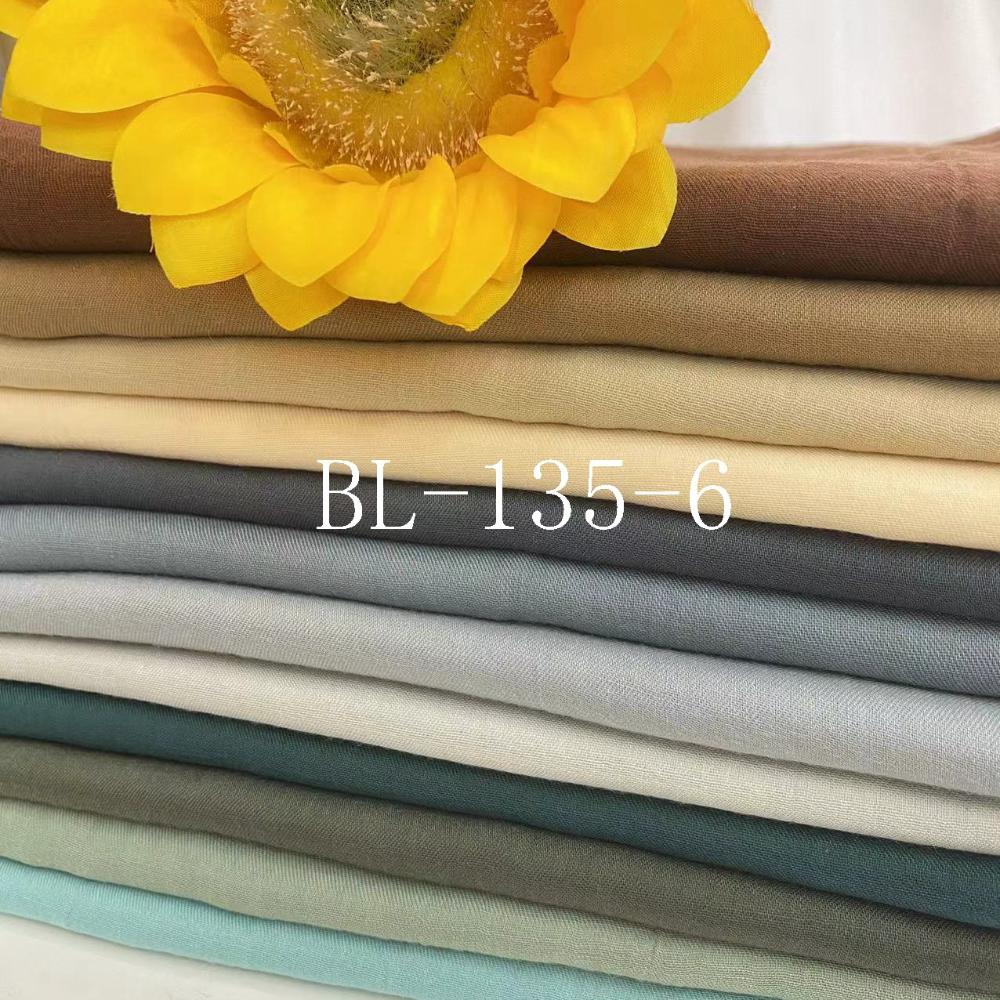
A plain BL-135 twill reference illustrates why the underlying article deserves its own identity. It is shown here as a plain surface comparison, not as a rhinestone option. Changing the base scarf can change the visual result even when the buyer keeps the same motif or decoration wording.
| Reference | What it identifies | Do not assume |
|---|---|---|
| Rhinestone scarf | Selected reflective decoration offer | Attachment performance from a photo |
| Embroidered scarf | A separate stitched motif proposal | The same process as rhinestones |
| Plain scarf | Base-surface comparison | Decoration included in the offer |
Mark the face and placement reference
Ask which side of the scarf is intended to carry the visible decoration and identify it on the reference drawing. Define the area in relation to named finished edges or another agreed point. If the scarf will be folded for display, show how that presentation relates to the intended decorated face.
For a repeated motif, request a layout reference that makes the arrangement understandable. For scattered details, retain an agreed example of the intended distribution. Avoid turning a distant catalogue photograph into an exact count or spacing requirement unless those details have been explicitly confirmed for the proposed sample.
Review sample views for the actual decision
Request a full scarf view to understand the overall arrangement, plus closer views of the decorated area and its reverse where relevant. Tie the images to the sample identifier. If the sample colour differs from the planned order, record that difference so appearance approval is not mistaken for acceptance of the final colour.
For the embroidery comparison, review the motif and its relationship to the scarf surface as a separate proposal. The image in this guide shows a different process; it does not demonstrate rhinestone attachment. Keep each accepted feature attached to the relevant product and sample instead of combining attractive details from unrelated photographs.
Separate appearance approval from performance evidence
List the decoration fields accepted in the sample review and leave unresolved fields open in the RFQ response. If a buyer needs evidence relating to attachment or care, specify the intended requirement and ask what supporting information is available. An attractive image alone cannot establish durability during washing or repeated use.
Retain the base-scarf reference, decoration layout and approved sample version together when the quotation becomes an order. Request another review when the base, visible face or placement changes. This keeps the purchasing decision focused on the actual proposed article without inventing a fixed order minimum, production schedule or material performance promise.
Frequently Asked Questions
Can embroidery and rhinestones share one RFQ line?
Use separate identified options when comparing them. Their process and sample references should remain visible so the supplier can respond to each offer without guessing which decoration is intended.
Does a catalogue image establish the decoration count?
Only if the count has been explicitly confirmed. A photograph can guide the discussion, but the actual layout and any quantity requirement need a clear sample or drawing reference.
Why request a reverse view?
It can help the buyer understand the selected construction and distinguish appearance questions that a front view leaves unanswered. It does not replace process confirmation or performance evidence.
Does appearance approval prove washing durability?
No. Record the accepted appearance separately and ask for evidence relevant to any required care or attachment performance. Do not infer an unperformed test from the sample photograph.
Review the Wenyu product range and sourcing blog for the relevant references. Send the base article, process option, marked layout and sample questions through Wenyu contact to clarify the RFQ.